1. What Are the Parts of a Cheque?
A cheque is a document on which one transacts a bank account. It consists of numerous components that put the payment at risk and render it secure and clean. Learning the components of a cheque makes you know how to write and use cheques properly.
Each part has a special job. There are sections that indicate the person paying, the recipient of money and the amount of money paid. The balance is verified and the payment is processed by other parts by the bank.
Being aware of these sections is useful to the students and people unfamiliar with banking. It simplifies the management of money and is safer. This brief manual is a simple definition of the key components of a cheque.
2. Date Line
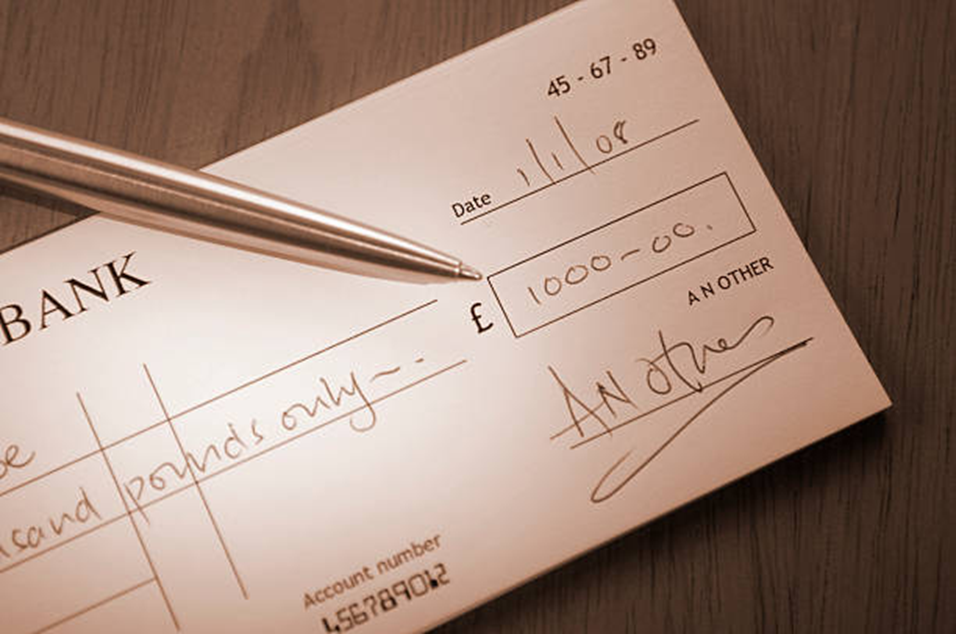
One of the initial details of a cheque is the date. It is written on the right upper corner. This indicates the date of making the cheque.
The date allows banks to determine whether the cheque is valid or not. Most cheques have a life span of six months depending on the date it is written on. Banks might not take the cheque, in case it is old.
It is vital to write the correct date as the bank and the recipient of the money can know when payment was done. The date will assist in recording the payments and ensuring that the cheque is cleared in time.
3. Payee Line
The payee refers to the individual or business with whom the money will be received. They are typed on the payee line, and this follows the phrase Pay to the order of. This informs the bank of individuals who are entitled to the payment.
It is quite important to write the correct name of the payee. In case the name is incorrect or not provided, the bank would not provide the funds to the correct beneficiary. This is to retain the payment safe and clear.
It also prevents the money being suffers by any other person. Knowing this section will assist you to write cheques in order to prevent issues.
4. Amount Box and Amount Line
The number box is involved in putting the money in figures. It displays the amount of money to be paid. Beside it, there is a line on which you put the amount in words.
The reason why one writes the amount twice is to prevent any errors on the part of the bank. In a scenario like; you will write in number 50 and in words, fifty five but the bank will believe the words and pay 55.
It is extremely significant to spell out and spell right. These sections ensure that the appropriate money is handed to the payee. Knowledge of these sections would assist students to know how to write the correct payment amount.
5. Signature Line
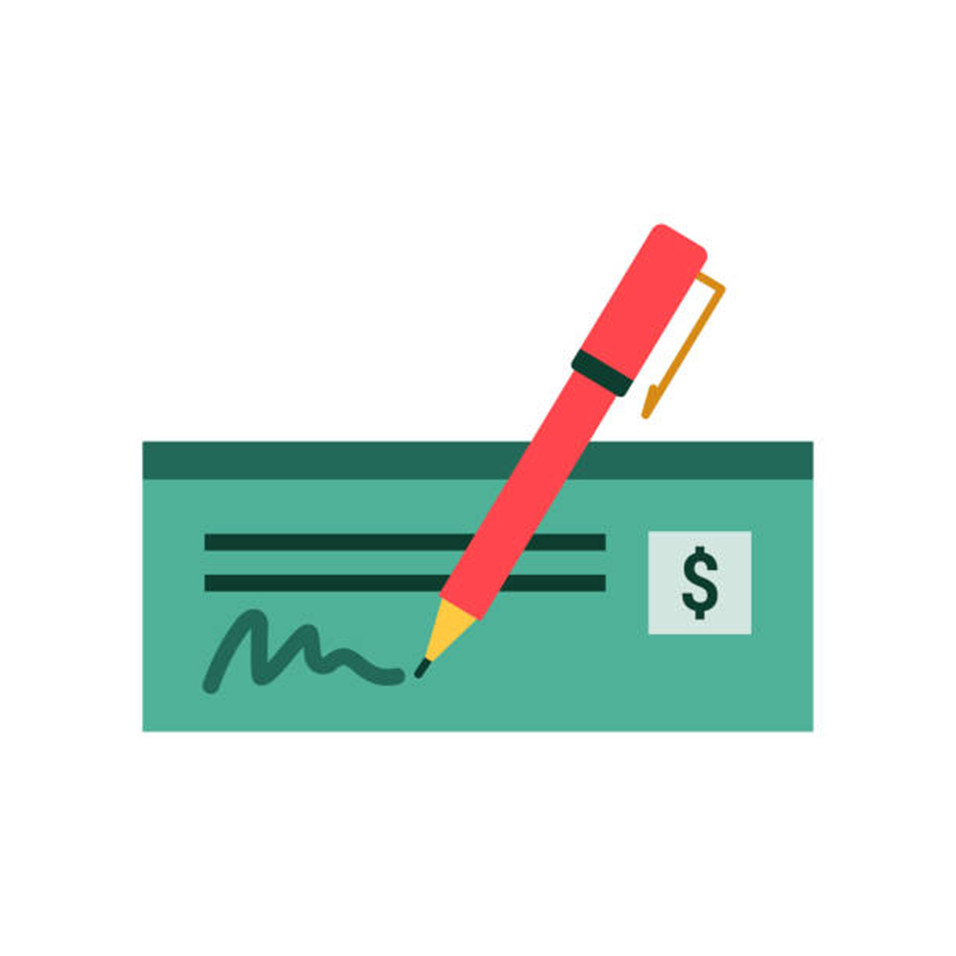
A signature is an extremely significant component of the cheque. It appears on the bottom right hand corner. The signature indicates that the individual that owns the bank account agrees to pay the money.
The bank will not pay the cheque unless it is signed well. The signature that you are using must be the same as the one that is kept by the bank. It is a problem to sign the cheque without filling in.
This section secures your cash and prevents the usage by other people of your cheque. The significance of the signature line will assist you in keeping your banking safe and right.
6. Drawer and Drawee
The cheque writer is such a person, the drawer. This typically is the bank account owner. The bank providing money is what will be called as the drawee.
Name of the bank is printed on the cheque and indicates the payer of money. The two sections are essential as they provide the information about the payer and the source of money.
The cheque must be able to work by having an adequate amount of money in the bank account of the drawer. If not, the cheque will bounce. Familiarity with these terms will enable students to know how banks carry out the cheques in a safe way.
7. Cheque Number
Cheque number is a small figure that is printed on the right upper or the bottom of the cheque. It assists in marking every cheque in your cheque book. Each cheque is of a different number and it is incremented.
It is easy to keep record of cheques used. Cheque number can assist the banks and people to locate a cheque in case of any hitches. It is similar to an ID per cheque.
Knowing this section would make you efficient in how you make your payments and you would not have to be confused with a lot of cheques.
8. MICR Code and Account Number
Numerous numbers appear at the bottom of the cheque. MICR (Magnetic Ink Character Recognition) code assists banks in handling cheques in a fast manner. It contains the bank code and bank branch code. Beside it comes your account number.
This figure informs the bank of what account to withdraw. They are both printed in a special font and ink to be read by machines with ease. These sections assist banks in handling payments efficiently and in a short period.
Account numbers and MICR Knowledge Knowing your bank account numbers and MICR will give you an idea of how the bank is safeguarding your money.
9. Crossing and Security Features.
There are cheques that are crossed with two lines. This is called crossing. Not only can a crossed cheque not be cashed but it can only be deposited to a bank account.
This makes payments safer. The cheque can also have watermarks or special patterns which prevent copying or fraud. These then are security features that provide your protection and ensure the safety of the banking system.
Being aware of crossing and security allows the students to learn how banks ensure the security of payments.
10.Parts of a Cheque

| Part Name | Meaning | Purpose | Location on Cheque |
| Date Line | Date when cheque is written | Shows validity and payment date | Top right corner |
| Payee Line | Name of person receiving money | Identifies who gets the payment | Below “Pay to the order of” |
| Amount Box | Amount in numbers | Shows exact money to pay | Right side near payee line |
| Amount Line | Amount in words | Confirms amount in words | Next to amount box |
| Signature Line | Signature of cheque owner | Authorizes payment | Bottom right corner |
| Drawer | Person writing the cheque | Owner of the bank account | Printed or implied |
| Drawee | Bank paying the cheque | Bank name on cheque | Printed on cheque |
| Cheque Number | Unique number on each cheque | Tracks cheque use | Top right or bottom |
| MICR Code | Special bank code and account no. | Helps fast bank processing | Bottom of cheque |
| Crossing Lines | Two lines across cheque | Makes cheque safer | Left side of cheque |
Conclusion
It is extremely significant to learn the components of a cheque in order to use banking in a safe and proper way. Every section, such as the date, payee line, amount box and signature has a special purpose that goes hand in hand with making payments with ease by the banks.
Being aware of these sections aids students and beginners to have a proper way of writing cheques and prevent miswriting. Cheques are also safe with security measures such as line crossing and MICR code to ensure your money is safe.
Having known the component of a cheque, you would be able to better manage your money and be more comfortable with using cheques to make payments. This is a simple guide that allows one to easily comprehend the working of cheques and the meaning of each part.
FAQs
Q1: What are the key components of a cheque?
The primary fields are the date, payee line, amount box, amount line, signature, drawer, drawee, cheque number, MICR code and crossing lines.
Q2: What is the location of amount on a cheque?
The amount you write is in numbers in the amount box and the words at the amount line next to the amount box.
Q3: What is the reason why the signature is crucial on a cheque?
The signature indicates that you accept the payment of money. The cheque will not be processed without it by the bank.
Q4: What does it mean by crossing on a cheque?
Crossing implies that the cheque cannot be cashed directly but it must be deposited into a bank account and this is safer.
Q5: What is the assistance of the cheque number?
The cheque number assists in the tracing and locating of every cheque within your cheque book to avoid confusion.