Introduction
Being aware of how many words should be in a sentence is a key part of writing comprehensively and effectively. Sentence length directly influences readability, comprehension, and the overall flow of your writing. While there is no strict rule, most professionals recommend keeping sentences between 15 to 20 words to maintain clarity. Sentences that are too long often become confusing, while very short sentences may feel choppy.
Once a writer understands how many words a sentence should include for ideal readability, they can communicate ideas more efficiently and ensure the reader stays engaged. This comprehensive guide explains the factors that influence sentence length, practical techniques for balancing structure, and helpful ways to adjust your writing based on your audience and purpose.
Sentence Length: Importance in Writing
Sentence length plays a crucial role in how readers process information. When a sentence is too long, it can overwhelm readers with complex ideas and make the text difficult to follow. Conversely, extremely short sentences may disrupt the flow of the narrative, making the writing feel choppy and disjointed.
Being aware of how many words should be in a sentence allows writers to balance complexity and simplicity effectively. Choosing the right sentence length enhances readability, comprehension, and keeps the reader engaged. Writers who control sentence length thoughtfully can communicate their message more persuasively, whether in academic writing, business communication, or creative content.
Sentence length experts recommend on the average sentence length
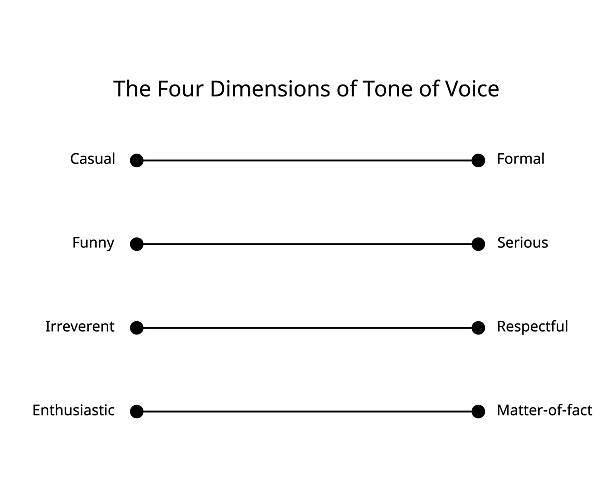
According to most writing experts, understanding how many words should be in a sentence is essential for creating clear and effective writing. In simple terms, a sentence length of 15 to 20 words is often ideal. This range allows you to express your thoughts fully without adding unnecessary complexity. Sentences within this length are easier to understand and help maintain the reader’s attention.
Even so, alternating between short, medium, and long sentences creates a natural rhythm and makes your writing more engaging. While the general guideline suggests using 15–20 words, it’s even more effective to adjust sentence length based on your context and audience. This balance ensures your content reads smoothly and delivers maximum impact.
Impact of Long Prison Terms
Sentences longer than 30 words tend to be hard to read. Long sentences may mislead a reader, conceal the central idea, and make one tired. By including many ideas or clauses in a single sentence, the message can be distorted when the writers do it.
That is why it is essential to know how many words are to belong to a sentence: the simpler and the shorter the sentences are, the better ideas they convey. Splitting long sentences with smaller sentences enhances understanding and increases the readability of your writing to those that skim and read fast.
Benefits of Short Sentences
Short sentences (usually fewer than 10 words) are highly effective for emphasizing key points and leaving a strong impression. They are easy to read and help break up dense text, making content more digestible. However, relying solely on short sentences can make writing feel abrupt or monotonous.
When considering how many words should be in a sentence, combining a few brief sentences with longer ones creates a dynamic and balanced writing style. Short sentences are especially useful in marketing, instructional content, or online material, where clarity and immediacy are essential, while longer sentences provide depth and context.
The Varying Length of Sentences by Writing Style
Writing styles require varying length of a sentence. The sentences used in academic writing are usually long and have complicated structures to convey elaborate thoughts. Mood and pace Creative writing works with sentence length by combining short and long sentences.
In business writing, it is always good to use short and straight forward sentences to pass across the information. The awareness of the number of words to be used in a sentence allows one to make his/her writing more appropriate to the situation and readers. Being sentence length smart enhances the process of communication, whether you are writing an essay or story, report, or email.
Effects on Readability scores
Readability formulas, such as Flesch-Kincaid, evaluate the length of sentences to determine how easy a text is to read. Longer sentences can lower readability scores and make content harder for general audiences to follow. By keeping sentences within the recommended word range, you can improve these scores and make your writing accessible to more readers.
Knowing how many words should be in a sentence helps you create content that is clear and easy to understand, especially online, where readers expect information to be concise, fast, and straightforward.
Hints to Reining Sentence Length
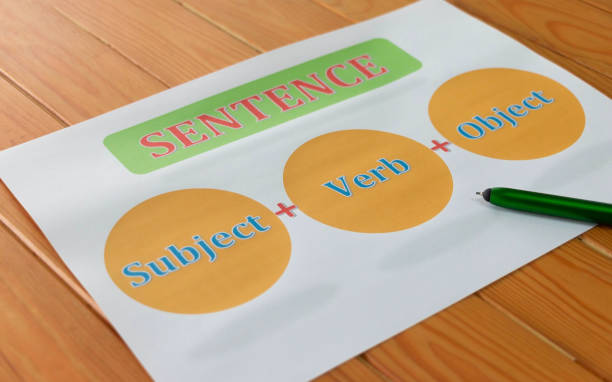
Sentence length can be controlled by breaking complex ideas into smaller, manageable parts and avoiding unnecessary filler words. Strategic use of conjunctions and punctuation also helps divide thoughts clearly. Reading your writing aloud can highlight long, winding sentences that may need simplification.
Alternating sentence lengths keeps readers engaged and prevents monotony. Understanding how many words should be in a sentence gives you a useful guideline for editing your drafts efficiently, making your writing clearer, more coherent, and easier to read.
emphasizing with the help of Sentence Length
Varying the length of your sentences helps emphasize key points. Short sentences grab attention and leave a strong impression, while longer sentences provide more detail and explanation.
For example, after a detailed paragraph, a short sentence like “This is crucial.” works effectively. This is because knowing how many words should be in a sentence allows you to use sentence length strategically, improving the tone, clarity, and persuasiveness of your writing.
Table Showing Sentence Length Examples and Effects
| Sentence Length (words) | Example Sentence | Effect on Reader |
| 5-10 | “Clear writing improves understanding.” | Emphasis, clarity, impact |
| 15-20 | “Effective communication requires clear and concise writing, which starts with understanding how many words should be in a sentence.” | Balanced, easy to read |
| 25-30 | “Writing longer sentences can provide detailed explanations, but knowing how many words should be in a sentence is essential to maintain clarity and prevent the text from becoming confusing.” | Detailed but potentially complex |
| 30+ | “When sentences become too long and contain multiple clauses or ideas, readers can struggle to follow the main point. Understanding how many words should be in a sentence helps prevent confusion and ensures your writing is clear and easy to comprehend.” | Confusing, overwhelming |
How to change sentence length to suit the various audiences

The type of audience plays a major role in deciding how many words should be in a sentence. For a general or younger audience, shorter sentences are easier to understand, while longer, more detailed sentences may be appreciated by professionals or academics.
When writing for a diverse audience, using a variety of sentence lengths ensures that the needs of different readers are met. Understanding your audience helps you adjust sentence complexity and length to communicate ideas clearly and effectively.
Conclusion
Understanding how many words should be in a sentence is essential for writing that is clear, engaging, and easy to read. While 15 to 20 words often serve as an ideal median, varying sentence length based on style, purpose, and audience helps your writing flow naturally and emphasizes key points.
Avoid using overly long sentences, which can confuse readers, but also refrain from relying solely on short sentences, which can feel choppy. Controlling sentence length improves readability, keeps readers engaged, and ensures your message is communicated effectively. Following this guide will help you craft sentences that make your writing both impactful and enjoyable to read.
FAQs
Q1: How many words should be in a sentence for it to be ideal?
In most cases, 15 to 20 words is recommended as the optimal range to keep sentences clear, understandable, and easy to read.
Q2: Is it possible to have sentences more than 30 words in length?
Yes, but long sentences may confuse the readers and make less sense.
Q3: Why should sentence lengths vary?
Varying how many words should be in a sentence helps make writing more interesting and emphasizes the most important points effectively.
Q4: Does sentence length have an impact on readability?
Lesser sentences tend to raise the scores of readability and comprehension.
Q5: Is it necessary to always use short sentences?
No. Understanding how many words should be in a sentence allows you to use a combination of short and long sentences, creating a natural flow and making your writing more engaging and interesting.