
Introduction to How to Start a Small Food Business at Home
Home based food business is a great opportunity to start out with a business on a small scale and make a profit out of your desire to cook. A frequent question by many novices is how to open a small restaurant business at home on a small scale with little money and experience. Planning recipes, as well as finances, require some key steps to be taken.
This manual will take you through the steps and give you an insight into what is required by the law, the marketing and operational hints. The advantages of starting home-based food business are that it is flexible and has the option of developing a regular customer base. These steps will allow you to build a successful business that will suit your lifestyle and cooking abilities.
Knowing the Legal Attraction of Home Food Businesses

It would be important to learn the legal guidelines on the area before you begin selling food out of your kitchen. There are a lot of areas where food companies have to meet health and safety standards, receive permits, and undergo inspections. Investigate local legislations in the area of cottage food or home-base food enterprise. You might require a food handlers license or you might be required to register your business with your local authorities. Such rules are known in order to avoid fines or shutdowns.
Compliance with legal provisions develops trust among customers as well as making sure that your products are safe. The importance of learning about regulations is a crucial measure in the process of establishing a tiny food company at home.
Selecting the Appropriate Food Products to be Sold
The choice of food products is a success in your food business. Begin with selecting foods you like making and have a market demand. Think about such specializations as baked goods, sauces, jam, or healthy snacks. Always remember shelf life, availability of ingredients and packaging solutions. Before selling, it is important to test recipes when it comes to consistency and taste.
Having special flavors or serving special diets can make your business special. Knowing the preferences of your target audience will guide you on the products to select that will be selling well. Selecting the products carefully aids in developing your home food business in a sustainable way.
Home Kitchen Business Set up

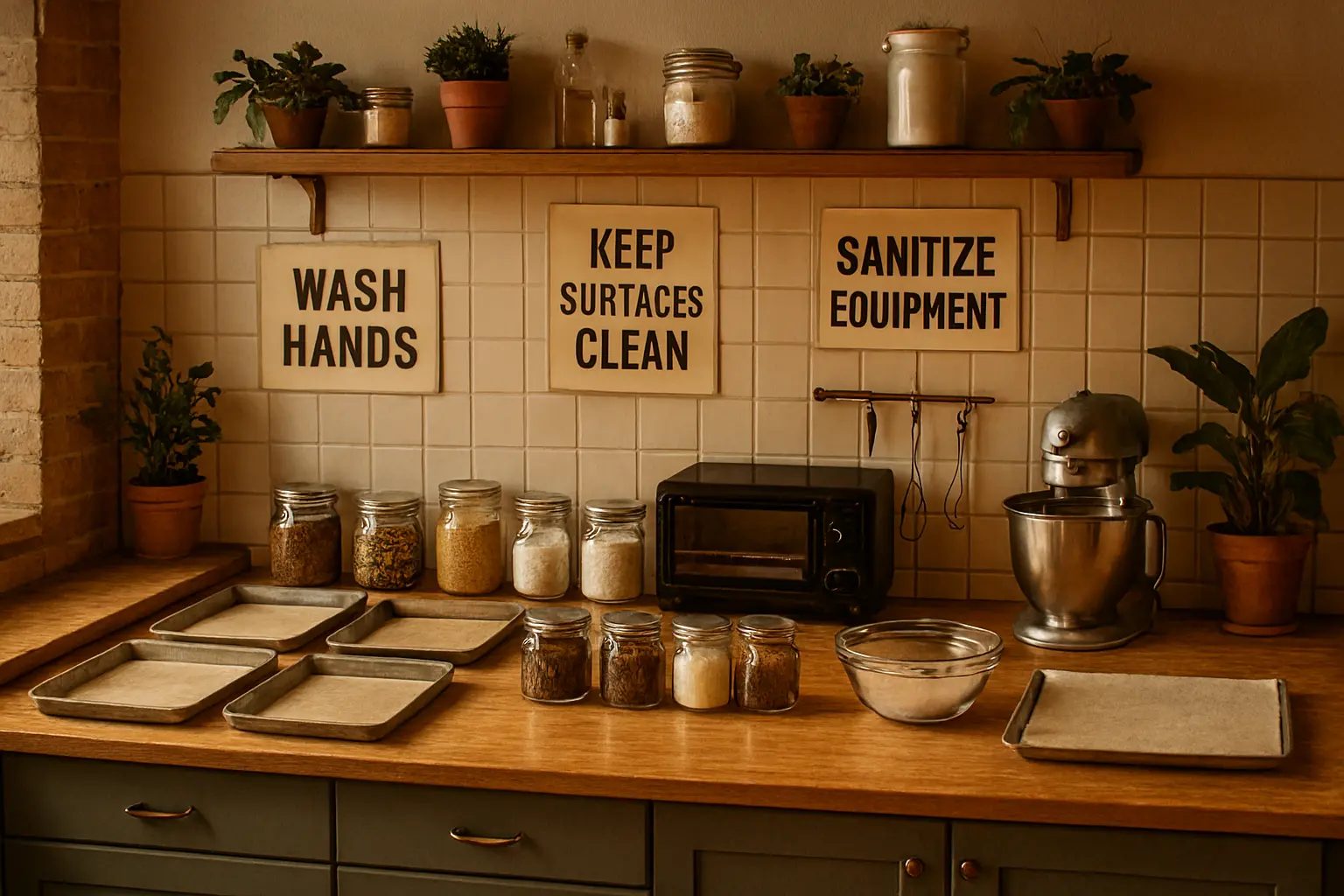
It is essential to convert your kitchen into a work area that can suit food business needs. To keep the hygiene, cleanliness and order are encouraged. You might have to invest in additional machinery such as mixers, baking trays or food storage containers. Assign pre-preparation, cooking, and packaging space. Label ingredients and finished products.
Make sure to design your kitchen in a way that it is easy to clean and take care of food. There are local laws that may want to inspect your kitchen facilities, so being ready makes its way with approvals. An organized kitchen enhances productivity and quality of products and this is what is needed in a successful cottage food business.
How to prepare a Business Plan in Your Food Venture
An effective business plan offers guidance and order to your food business. Define your objectives, market, product range, pricing plan and marketing plan. Add up startup costs, estimated revenue and cost such as ingredients and packaging. Planning is useful in identifying challenges and opportunities.
It is also easier to borrow loans or find investors in case of necessity. An effective business roadmap is a roadmap to your day-to-day businesses and future developments. A business plan is a clever move on how to start a small food business at home and gives you high chances of achieving success.
Sources of Ingredients and Supplies Effectively
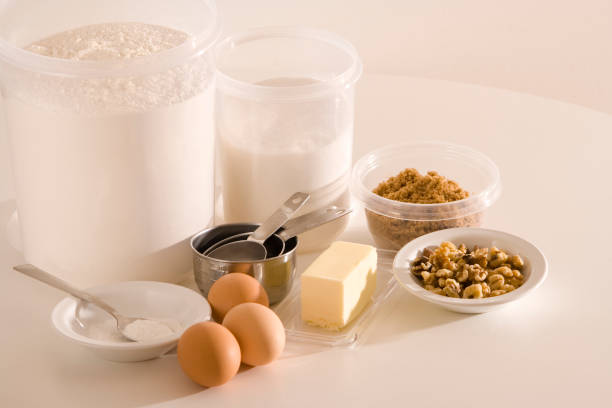
To manage costs and quality, it is possible to find reliable sources of ingredients and packaging materials. Search local suppliers, farmers market or wholesale distributors. Bulk purchasing may save costs but it needs a good storage facility.
Make sure the ingredients are fresh and of safe standard. Your food must be packed in a manner that is appealing to customers, and to preserve the food. Green packaging or branded packaging is an added value to your products. Make good relations with suppliers to have a constant supply. Indeed, efficient sourcing helps to facilitate production and improve the reputation of your food business.
Pricing to make a profit: How to Pricing Your Products
Pricing properly balances the cost and the customers. Divide sum of cost of ingredients, packaging, labor and overhead. Include an adequate profit margin calculated with regard to the market research and competitor prices. The thought of providing discounts on bulk orders or new customer promotions can also be considered.
Do not set prices too low and have a negative impact on profitability or too high, and scare off customers. Open pricing will earn trust and help in growth. Pricing of your food products is an essential aspect to starting a small food business at home.
Branding and Packaging Concepts to appeal to the customers
Your products can be distinguished by good branding and beautiful packaging. Create an easy to recall logo, brand name and color combination that will identify your food business. Functionality and aestheticism of the packaging should be considered.
Good labels with the list of ingredients, allergy, and expiration date. Individualized details, such as thank-you notes or personalized stickers, are value-added. Good branding will assist in creating customer loyalty and referrals through word of mouth. Spending time on branding helps in sales and identity of your business.
Marketing Plans of Home-Based Food Companies
Marketing is successful in making your products known to the prospective clients. Use social media to promote your food such as Instagram and Facebook, and post behind-the-scenes. Design an easy site or eStore to be used to place orders and provide information.
Get involved with local markets, fairs, or pop-up to make contact with buyers. Provide samples or promotions to get new customers. Establish contacts with the local businesses to collaborate. Regular advertisement increases your customer base and sales.
Order and Customer Service Management
Customers return back due to efficient order keeping and good customer service. Install a system that will monitor an order, payment, and delivery. Provide information on product supply and delivery. Manage feedback on customers in a professional manner. Differentiation or special order may enhance satisfaction.
Managing Money and Taxes in Your Food Company
Any business should have proper financial records. Monitor revenue, costs and profits. Keep track of accounting software or spreadsheets. Know your taxes, sales tax and income tax. In case of compliance, consult a professional.
Home Food Business, Scale Over Time
With the expansion of your business, you may like to expand your product line or add more production capacity. Get more advanced equipment, or take some assistants. Expand to new markets or online selling. Still keep enhancing recipes and customer service. Keep track of trends and change your business.
Summary Table for How to Start a Small Food Business at Home

| Step | Key Actions | Tips for Success |
| Legal Requirements | Research permits and licenses | Comply with local health laws |
| Product Selection | Choose popular, manageable foods | Test recipes for consistency |
| Kitchen Setup | Organize and clean workspace | Invest in needed equipment |
| Business Plan | Outline goals and finances | Plan for growth |
| Ingredient Sourcing | Find reliable, cost-effective suppliers | Buy fresh and in bulk |
| Pricing | Calculate costs + profit margin | Research competitor prices |
| Branding | Develop logo and packaging | Use clear labels and design |
| Marketing | Use social media and events | Engage customers regularly |
| Order Management | Track orders and communicate | Respond promptly |
| Finances | Maintain records and pay taxes | Use software or hire help |
| Scaling | Expand products and capacity | Adapt to market needs |
Conclusion
Knowing how to start a small food business at home involves careful planning, legal compliance, and effective marketing. From selecting the right products to managing finances, each step influences your success. A well-organized kitchen and clear branding improve customer appeal. Consistent marketing and excellent customer service foster loyalty.
As you grow, consider scaling thoughtfully to maintain quality and profitability. With dedication and the right approach, starting a home-based food business can be both rewarding and profitable.
FAQs
What permits do I need to start a home food business?
Requirements vary by location; check local health department regulations for licenses and inspections.
Can I sell any kind of food from home?
Some foods may be restricted; focus on non-perishable or low-risk items unless certified otherwise.
How do I handle packaging for home food products?
Use food-safe, attractive packaging with clear labels including ingredients and expiration dates.
What’s the best way to market a small food business?
Social media, local events, and word-of-mouth are effective tools for reaching customers.
Do I need insurance for a home food business?
Insurance protects against liability and losses; consult a professional for recommendations.