1. What is a Cheque?
A cheque is a sheet of paper that is applied in banking. It allows you to transfer money in your bank account to another person. When you write a cheque, you order your bank to give a specific amount to some individual or a company.
This is a secure method of sending money without the use of cash. There are crucial details on cheques such as your name, amount, date and name of the receiver of the money. Banks verify these information prior to issuance of money.
Paying bills, rent or purchasing items is usually done by use of cheques. It assists in maintaining the clarity and the recording of money transactions. The cheque meaning assists people in using banking in a safe and easy way.
2. Parts of a Cheque

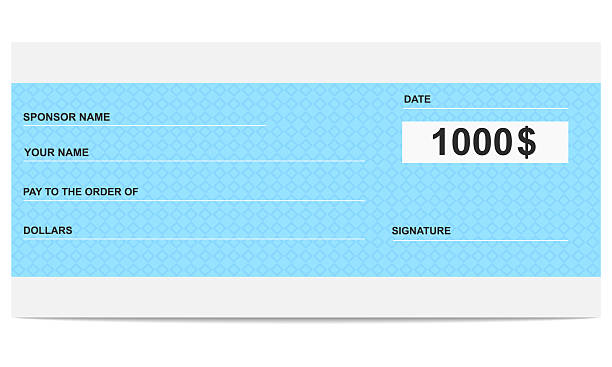
A cheque has many parts. The first part is the date. It informs about the date of cheque writing. The second is the name of the payee or the person or company to whom the money is being given.
Then there is the value of money and words, which display the price to be paid out in money. The cheque is also signed with your signature. This informs the bank of your approval of the payment.
The cheque contains a special number and the name of your bank as well. These sections assist the bank to handle the payment in an appropriate manner. When writing or receiving a cheque, it is significant to know these parts in order to avoid mistakes.
3. How Does a Cheque Work?
After handing over a cheque to a person, he or she goes to his bank. It is their bank that forwards the cheque to your bank. Checks your bank, has he enough. In case of yes, the money is transferred by the bank to the other bank.
This procedure is referred to as clearing. Deposits made as cheques will be cleared in a number of days since all details have to be checked by banks. After transfer of the money, it can be used by the payee.
Chesques are practical in the sense that they do not require money but they transfer money safely. Cheque meaning is also having the understanding of this process that makes people trust and use cheques securely.
4. Types of Cheques
Cheques are of the various types. Anybody who is in possession of a bearer cheque can cash it. Only the name put on an order cheque is paid. There are two lines on the upper left corner of the cheques.
It is impossible to cash them but only to deposit them in a bank account. Post-dated cheques are written in advance of the date hence they cannot be cashed before that date.
Stale cheques are outdated and cannot be used in half a year. When paying and receiving money, it makes sense to know what kinds of cheques to use to prevent issues with cheques.
5. Advantages of Using Cheques
Cheques are non-dangerous and convenient. They minimize the use of cash that can get lost or stolen. Cheques offer a good paper trail, hence individuals can make verifications in the future.
They are applicable in big payments when it is not possible to carry out cash payments. Chesques are used by businesses and individuals to maintain records on money being paid and received. It is easy to write a cheque and it is also accepted by banks everywhere.
Writing cheques can also be used to plan money since you can write them. The meaning of cheques, as well as their advantages, will aid individuals in determining when to use cheques to make payment.
6. Retaliation to Cheques.
There are also a few demerits to cheques. Money is not immediate as they are time consuming to clear. There are instances when cheque can bounce due to lack of sufficient funds in the account.
This is a nightmare and additional bank charges. Frauds occur through cheques that are lost or stolen. Cheques with incorrect information may be delayed or rejected when they are written. Banks impose charges on cheque books and even on some cheque transactions.
Due to these problems, electronic payments are currently used by a large number of individuals. Nevertheless, the meaning of the cheque facilitates individuals to use it in a safe way and prevent issues.
7. Writing a Cheque the Right Way.
It is not difficult to write a cheque following some steps. To start with, date it on the top right. Then type in the name of the individual or business to whom you want to pay.
Then write down in numbers and words. Make sure both amounts match. Sign the cheque on the lower right. Fraud Should be prevented by not having blank spaces. Write on the cheque in such a way that it cannot be altered.
Check all the details twice and then hand it. When you know the meaning of cheques well, you will have an easy time writing cheques with the correct format and it will be safe.
8. How to Deposit a Cheque
On depositing a cheque, you carry the cheque to the bank. You may also deposit your mobile apps through a photo. Complete a deposit slip with account information.
Give check to the teller in the bank or place in a cheque box. Once cleared it will be processed by the bank and added to your account. Hold the cheque until you get the money in your account.
The meaning of cheques can help you to know the process of depositing and prevent errors.
9. Frequently used terminologies with regards to Cheques.
These are the typical terminologies of cheques:
- Cheque Bounce: A cheque is a cheque that is below the balance and therefore cannot be paid.
- Drawer: The individual that signs the cheque.
- Drawee: The bank cheque payment.
- Payee: This individual is the recipient of the money.
- Transferring a cheque by signing the back.
The knowledge of these terms will make you better understand banking and use cheques properly
10. Cheque Meaning and Related Terms
| Term | Meaning | Example |
| Cheque | Paper to pay money from bank | Writing cheque to pay rent |
| Drawer | Person who writes the cheque | You writing a cheque |
| Drawee | Bank that pays the cheque | Your bank paying the money |
| Payee | Person receiving the money | Landlord getting payment |
| Cheque Bounce | When cheque payment fails | Not enough money in account |
| Endorsement | Signing back to transfer cheque | Giving cheque to another person |
Conclusion
Cheque is a simple and helpful banking device which assists people in paying their money without any safety issues, using cash. The cheque meaning is very crucial to anyone wishing to use money using a bank.
Cheques are available in different parts and varieties and the knowledge of the same assists in preventing errors during writing and receiving money. The cheques may take some time to be cleared, but they are also safe in maintaining records of payments.
Banking can be made easier and safer through learning to write, deposit and utilise cheques in a proper way. Despite the emergence of the new digital payment methods, cheques continue to play a significant role in numerous financial deals. Having known the fundamentals of the cheques, you can easily operate your money confidently and prevent the pitfalls.
FAQs
Q1: What is a cheque in the banking industry?
A cheque is a written order which instructs a bank to send money in your account to another person.
Q2: What is the average time in which a cheque can be cleared?
In most cases, a cheque requires 2-5 days to be cleared in the bank.
Q3: What is the outcome in case a cheque bounces?
Cheque bounces occur where there is insufficiency of money in the account. The payment is failed and the bank can impose a fee.
Q4: Am I able to write a cheque using any color?
The blue ink or black ink is preferable because of the problem of the cheque being rejected by the banks.
Q5: Is it safe to write a cheque?
Yes, cheques are safe to be used provided that you fill them properly and leave no blank spaces.