Introduction
It might appear difficult to write a cheque in case you are new to doing so. However, it is not complicated, especially when you are aware of the actions. This guide will help you know how to write a cheque correctly.
You will also know why it is important to write a cheque in the correct way. You will be sure to write a cheque by the end. We will provide clear instructions with the help of simple words. We can begin with the fundamentals of the writing of cheque.
What Is a Cheque and Why Use It?
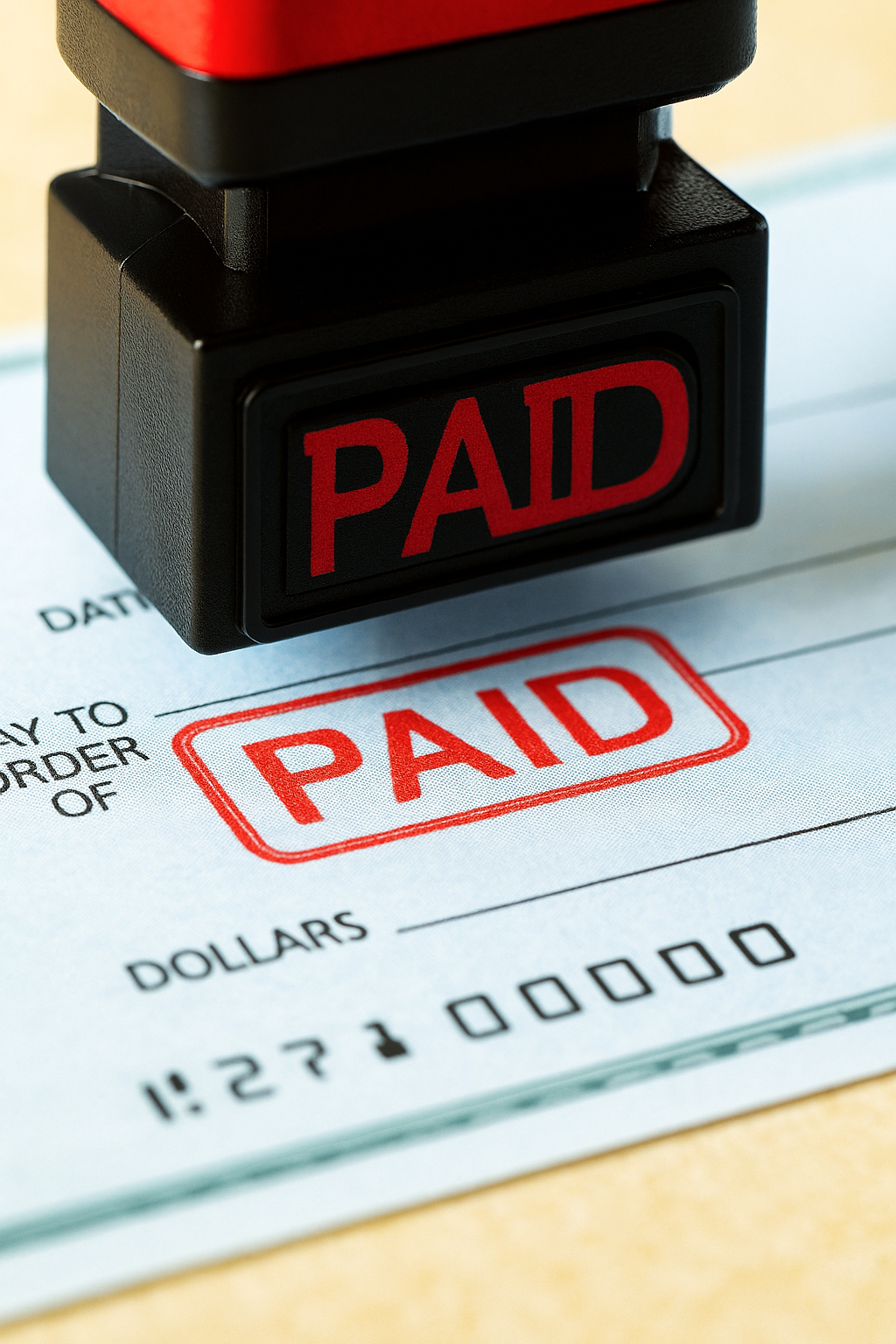
A cheque is a document on paper informing a bank to withdraw money on your account and pass it over to another person. Cheques are used by people to pay bills, purchase things or transfer money to others. It is a safe mode of paying without cash.
When one writes a cheque, it is important to write appropriate information in the appropriate fields so that the bank can know to whom the money is being paid and the amount. Knowing how to complete a cheque will save you the errors or fraud. It is time now to know the components of a cheque and their significance.
Components of a Cheque You Should Be Knowledgeable of.
A cheque has many parts. These sections will make you know how to write it. The date is where the day, month and the year are written. The line of payee is where you indicate the name of the person or company where you pay. The box of amount is the one where you write in figures the sum of money. The money is to be written in words on the amount line.
Then there is signature line whereby you sign your name. Finally, there may be memo line where one leaves a note regarding a payment. All of them are critical points to be filled.
Step 1: Correctly write the Date
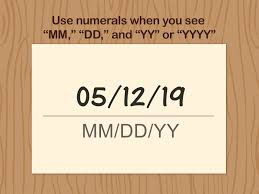
Begin by putting on the cheque the right date. The date informs the bank of the date of making the cheque. Enter the day, month and year on the upper right hand side.
The format should be very clear such as December 3, 2025 or 03/12/2025. The date is to be filled in since the cheque might not be valid. By writing a later date, the bank does not pay before that date. Therefore never forget to write the date.
Step 2: Write the Payee Name
Then, enter the name of the individual or business that you wish to pay. This is called the payee. Ensure that you write the entire name on the line in which you write Pay to the order of. Do not forget to spell the name correctly.
In case of the incorrect name, the bank might not make payment of the cheque. In the event that you need the cheque to be payable to yourself, write yourself. The proper way to spell the name payee is to make sure the money ends up in the right hand.
Step 3: Using Numbers, write the Amount
Now, put the sum of money you wish to pay in the little box. Use numbers like “100.00” or “25.50.” Begin the writing of numbers near the left hand side of the box in such a way that no one can insert the additional figures.
Ensure that the numbers are well written. Writing the sum in the form of numbers demonstrates the precise sum of money to be paid. This assists the bank in clearing the cheque.
Step 4: Typing the Amount in Words
Under the line of the name of the payee, write the amount of money in words. As an illustration, 100.00 represents one hundred and zero dollars. It is very essential to write down the amount in words since they correspond to the numbers.
In case the words and figures are not corresponding, the bank may fail to pay the cheque. Write the words correctly and spelling correctly. This is where the amount of money you want to send is demonstrated.
Step 5: Sign the Cheque
The final thing to do is to name your signature on the cheque. The signature appears on the bottom right on the signature line. Sign with the same signature that your bank has. The cheque is not valid and will not be payable without your signature.
The signature of the cheque is that you are consenting to the payment you are signing to the payee. Always write your cheque in a clean manner and in full filling of the other parts.
Step 6: Memo Line (Optional)
The bottom left of the cheque has a small space which is referred to as the memo line. Here you may make a brief note concerning the payment. As an example, write December Rent or Gift. This serves to remind you and the payee on the purpose of the cheque.
The memo would not be mandatory but would come in handy as records. Keep the note short and clear. You can also use the memo line to arrange your payments in a better way.
How to prevent frequent mistakes during writing cheques
Cheques are the most common mistakes that people commit. Always use dark ink pen to be sure that no mistakes will be made. Always leave cheques in blank spaces. Enter all the sections and verify the information.
The crossing or erasing of words should be avoided. In case of error write another cheque. Keep your cheque book secure to prevent other people to write cheques that are fake. Looking at these tips will ensure that your payments go fine and well.
How to Fill a Cheque Safely
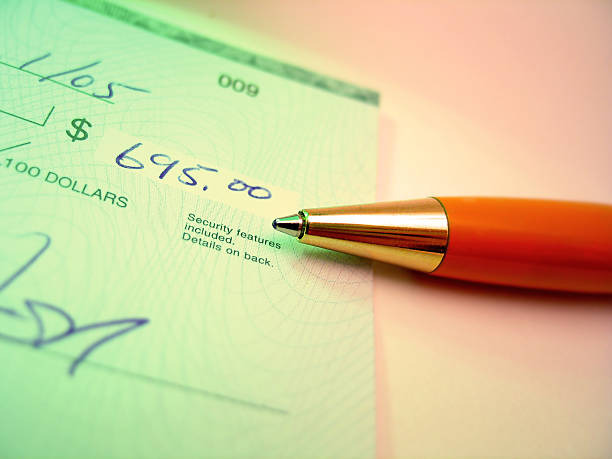
Safe writing of cheques is ensuring that your money is safe. Always write cheque whenever you require it. Do not hand out a blank cheque to any one. Write the amount in a tight manner such that it cannot be changed by anyone.
Sign with your normal signature and leave your cheque book somewhere safe. When you write cheque then you put it in your cheque register or notebook. This will assist you to monitor your expenditure and prevent overdrafts.
The Reason You Should Learn How to write a Cheque
Quick Reference Table for Writing a Cheque
| Step Number | What to Do | Example | Why It’s Important |
| 1 | Write the date | December 3, 2025 | Shows when the cheque is valid |
| 2 | Write payee name | John Smith | Tells who gets the money |
| 3 | Write amount in numbers | 100.00 | Shows exact money figure |
| 4 | Write amount in words | One hundred dollars | Confirms the amount |
| 5 | Sign the cheque | Your signature | Authorizes the payment |
| 6 | Fill memo (optional) | Rent payment | Notes reason for payment |
Conclusion
It is not difficult to write a cheque and you are supposed to follow the steps. Do not forget to write in the date, payee, amount and signature. Write down words in simple and clear terms. Don’t make errors by checking your cheque twice before handing it over.
Although new methods of payment are introduced, it is convenient to know how to write a cheque. There are still areas that use cheques. When you write a cheque properly, you save your money and avoid chances of being cheated by the bank. It also assists you in knowing your bank account better. This is one of the things learned when being smart with your money.
You will become practiced and then you will feel good. Money can also be paid safely with the help of cheques. Keep this reference somewhere you can refer whenever you are required to write a cheque. In no time, it will come to pass that you no longer have to worry about writing cheques!
FAQs
Q1: What is a cheque?
A cheque refers to a piece of paper you write on to instruct your bank to withdraw money on your account and give it to someone.
Q2: Am I able to write cheque without signing it?
No. You should sign the cheque in order to make it valid. Unless you sign it, the bank will not pay it.
Q3: What will occur when I put the amount in words and numbers differently?
The bank will tend to believe what is written in words. Ensuring the two are matched is always important.
Q4: Is it possible to write a cheque to myself?
Yes. You may write your name as payment should you wish to withdraw some money or transfer money to another account.
Q5: What happens in case I commit an error during the writing of a cheque?
There is no attempt to erase it or correct it. Rather begin another cheque and write it down.